Skip to content
Mon–Fri & Sun: 8am–6pm · Closed Saturday
Flooring Contractor Brooklyn Insured NYC Flooring Contractors

Hardwood Flooring Installation in Brooklyn

Hardwood flooring installation covers both solid and engineered hardwood, and the right choice between them depends on the subfloor and the room — with proper subfloor preparation and a full material acclimation period before installation being the two steps that most determine whether a new hardwood floor performs well long-term.

Solid vs engineered hardwoodSubfloor preparationMaterial acclimationFastening method selectionTrim & transition finishing

Get Your Free Quote

Or call now: (929) 441-6265

Insured
& locally operated contractors
Local
Neighbourhood expertise
All 5 Boroughs
Neighbourhood-level NYC coverage
Satisfaction
We make it right

The first real decision in a hardwood project is solid versus engineered, and it's driven by the subfloor and the space, not just preference. Solid hardwood is a single piece of wood through its full thickness — it can be sanded and refinished many times over its life, but it's more sensitive to moisture and generally isn't installed directly over concrete slabs or in below-grade spaces. Engineered hardwood has a real hardwood veneer bonded over layered plywood, which makes it more dimensionally stable, suitable over concrete or below-grade, and often the better choice in a NYC apartment building where solid-wood installation methods (nailing into a wood subfloor) aren't practical on a slab.

Whichever material is chosen, wood needs to acclimate to the room's actual humidity and temperature before it's installed, not the day it arrives. Wood is hygroscopic — it absorbs and releases moisture from the surrounding air — and installing it before it's adjusted to the room's real conditions is one of the most common causes of gapping or buckling months later, as the wood expands or contracts after installation to match the environment it should have acclimated to beforehand. We build an acclimation period into every project timeline rather than treating it as optional.

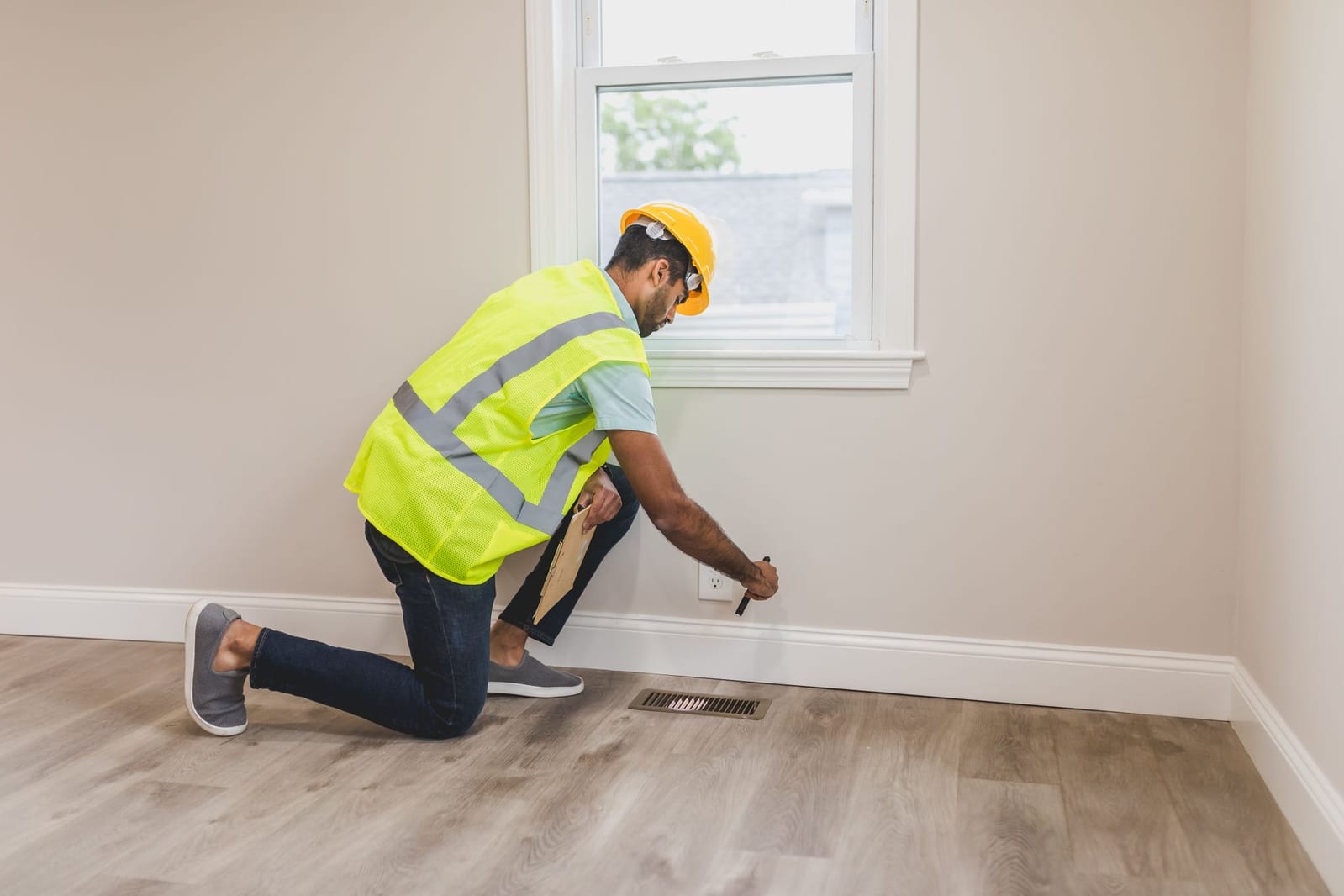
Subfloor preparation is the other step that determines long-term performance and is easy to underestimate: an uneven, damp or structurally unsound subfloor will telegraph through to the finished floor regardless of how good the hardwood itself is. We assess subfloor flatness and moisture content, and address issues — leveling compound, moisture barriers where warranted, structural repairs — before laying a single board, rather than installing over a subfloor that hasn't been properly checked.

Signs you have a hardwood flooring installation problem

  • You're installing new hardwood floors and deciding between solid and engineered
  • Your existing subfloor is uneven, damp, or you're unsure of its condition
  • You're installing over a concrete slab or in a below-grade space where solid hardwood isn't suitable
  • A previous hardwood installation elsewhere has developed gaps or buckling and you want to avoid the same outcome
  • You want floors that can be refinished multiple times over the years rather than replaced

Why Brooklyn sees this

Pre-war Brooklyn brownstones and apartment buildings often have original wood subfloors with their own quirks (uneven joists, old patch repairs) that need real assessment rather than assuming a modern-construction-flat subfloor.

Concrete-slab construction, common in newer Brooklyn buildings and conversions, generally rules out solid hardwood nailed directly to the subfloor, making engineered hardwood — installed via glue-down or floating methods — the practical choice.

Co-op and condo buildings frequently have flooring-material and underlayment (sound-dampening) requirements written into the house rules, and we confirm those requirements before installation so the finished floor doesn't run into a board sign-off issue after the fact.

Simple, transparent process

Our Hardwood Flooring Installation Process

  1. 1

    Material selection consultation

    We assess the subfloor type, the room (grade level, moisture exposure) and your priorities to recommend solid or engineered hardwood, rather than defaulting to one option.

  2. 2

    Subfloor assessment & prep

    Flatness and moisture content are checked and addressed — leveling compound, moisture barriers where warranted, and any structural repairs — before installation begins.

  3. 3

    Material acclimation

    Hardwood is brought into the space and allowed to acclimate to the room's actual humidity and temperature for the appropriate period before a single board is installed.

  4. 4

    Installation

    Boards are installed using the fastening method appropriate to the material and subfloor — nail-down, glue-down or floating, as the situation calls for.

  5. 5

    Trim & finish detailing

    Transitions, baseboards and trim are finished to match, and the completed floor is inspected for gaps or unevenness before we consider the job done.

Hardwood Flooring Installation — FAQs

Should I choose solid or engineered hardwood?

It depends mainly on your subfloor and the room — solid hardwood needs a wood subfloor and isn't suited to concrete slabs or below-grade spaces, while engineered hardwood is more dimensionally stable and works over concrete or below grade. We assess your specific situation before recommending one.

Why does the wood need to sit in my home before installation?

Wood absorbs and releases moisture from the surrounding air, so it needs to adjust to your room's actual humidity and temperature before installation. Skipping this acclimation period is one of the most common causes of gaps or buckling appearing months after installation.

Can I install hardwood over my existing subfloor without checking it first?

We don't recommend it — an uneven, damp or structurally compromised subfloor will show through in the finished floor regardless of the hardwood quality. We assess and address subfloor condition before installation on every job.

How many times can hardwood floors be refinished?

Solid hardwood, being a single piece of wood through its thickness, can typically be sanded and refinished multiple times over its life. Engineered hardwood has a thinner veneer layer, so it can usually be refinished fewer times — how many depends on the veneer thickness of the specific product.

Need hardwood flooring installation in Brooklyn?

Insured, local NYC flooring contractors. Call for a free quote.

Call Now Free Quote